
Buyer psychology · 6 min read
The fear of messing up.
Why the biggest competitor in your pipeline is often your buyer’s fear, and how to make it safe to say yes.
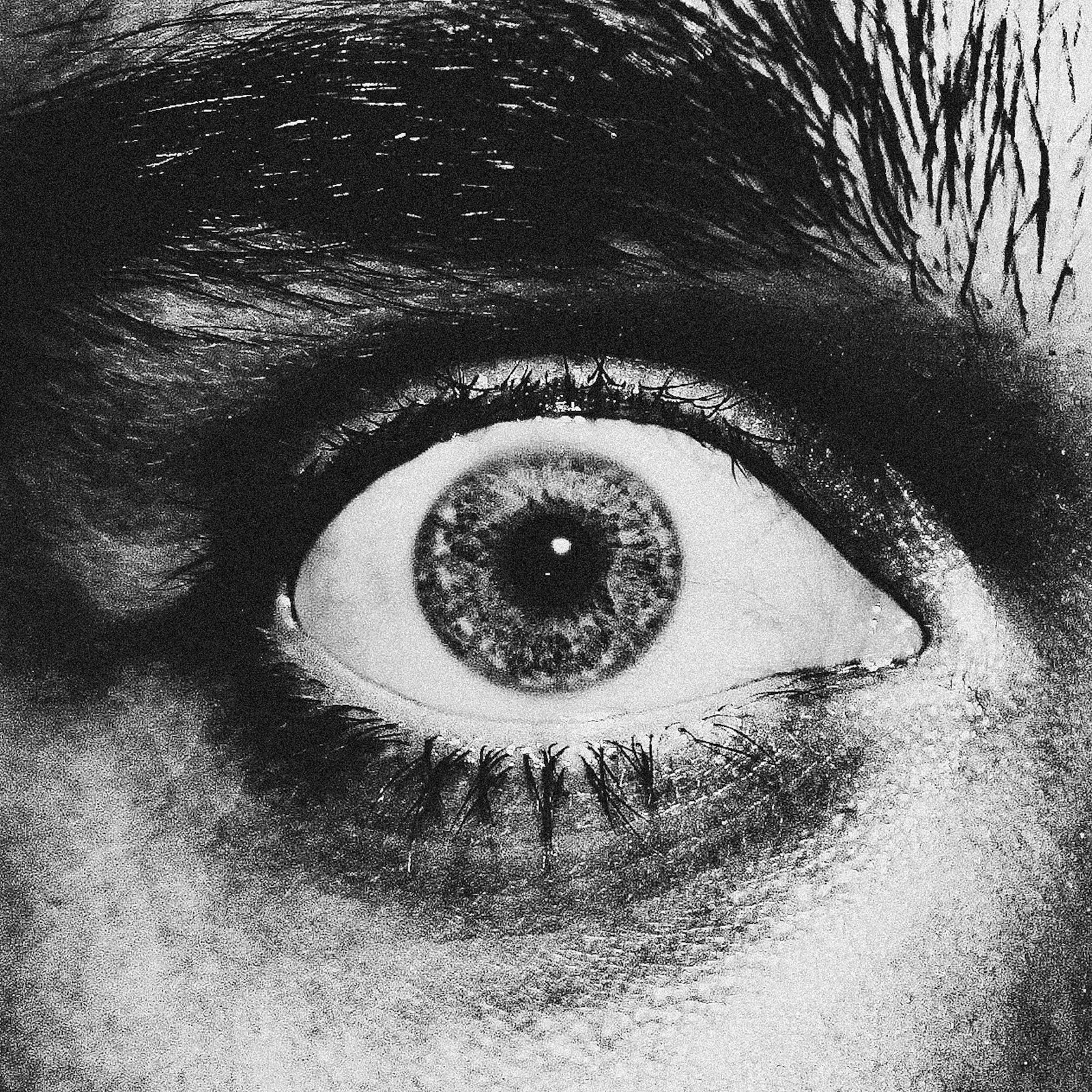
I know the fear of messing up well. It has followed me for most of my working life.
It’s the butterflies in my stomach when I wake up knowing I have a big day ahead. It’s the anxiety that gnaws at me at night and robs me of my sleep.
It gripped me hardest before we started Selling to Humans. What if it’s a mistake? What if we’re not successful? If I just get a regular job, it will be so much safer.
We started it anyway. Not because the fear went away, but because I found a way through it. As Bear Grylls puts it: “Courage isn’t the absence of fear. To be brave we must first be afraid.”
It turns out I’m not alone. And the same fear is quietly stalling deals in your pipeline right now.
This post draws on The Principles of Buyability: why strong deals stall and what separates the vendors who get chosen by Mimi Turner, Head of Marketplace Innovation at LinkedIn, published on the LinkedIn Marketing Blog in June 2026. The research was carried out by LinkedIn with Bain & Company. All research figures below are theirs.
Meet FOMU.
B2B marketing has spent years selling FOMO, the fear of missing out.
The LinkedIn and Bain research suggests buyers are driven far more by FOMU: the fear of messing up.
When buyers ranked the emotional needs they had to meet before committing to a purchase, the top answer wasn’t confidence in the product. It was feeling able to defend the decision even if it went wrong.
The cost is measurable.
40%
of deals stall because the buying group can’t agree, not because a competitor wins
“At least we didn’t lose to a competitor.”
You’ll know how this one ends. The demos went well. The champion was keen. Then the deal went quiet.
Your sales team comes back with the news: the buyer has decided to stay with their existing system. And there’s a note of relief in it. At least they didn’t go with a competitor. To the team, that feels like proof they did nothing wrong.
But something did go wrong. We didn’t make that buyer feel safe enough to quiet their fear of messing up. So they did nothing.
From where they sit, it’s the rational choice. Doing nothing rarely costs anyone their job. Taking a leap on a new supplier, and getting it wrong, could damage a career.
This isn’t a one-off. In The JOLT Effect, Matthew Dixon and Ted McKenna analysed 2.5 million recorded sales calls. Between 40% and 60% of B2B deals ended with no decision at all, and more than half of those were lost to the buyer’s fear of getting it wrong.
Your biggest competitor is often your buyer’s fear.
The fear you can’t see.
The fear isn’t spread evenly. It concentrates in the people who carry the most risk, and you may never meet them.
The research calls Finance, Legal and Procurement “hidden buyers”. They rarely sit in your demos or download your content, yet they hold around half of the decision-making influence. And familiarity is what calms their fear.
20×
more likely to be chosen when the whole buying group knows and trusts you at the start, compared with only the technical champion
81%
of purchases went to vendors that almost everyone in the group already knew
4%
went to vendors known only to the function recommending them
However much your champion believes in you, they can’t carry everyone else’s fear for them.
Proof is protection.
If fear is the problem, the research is clear about what reduces it. Not features. Not price. Other people.
3×
more likely to choose a vendor heavily recommended by peers or customers over one promising a better product or a lower price
4×
more likely to choose a vendor they’ve had success with before
Social factors, such as working style, peer recommendations and experience with companies like theirs, outperformed rational ones such as category leadership or expert endorsement.
A case study isn’t marketing collateral. It’s a defence your buyer can carry into a room you’ll never be in.
What this means for your sales team.
Name the fear. In discovery, ask what would make this decision hard to defend internally, and who would be exposed if it went wrong. Then listen.
Ask who else needs to feel safe. “Who else needs to feel comfortable with this before it goes ahead?” Then ask if you can talk to them yourself.
Arm your champion for the meeting you won’t attend. Give them proof from companies like theirs, not more product detail.
Don’t file “no decision” as a near miss. When a buyer stays put, it’s tempting to call it a draw. It’s a loss, and the reason is often one nobody said out loud. You can’t see what your buyer sees. So ask them.
Finding a way through.
I still get the butterflies. I’ve just learned that the fear doesn’t have to make the decision for me.
Your buyer is no different. They have a career, a reputation and a boss, and they’re weighing what happens to them if it goes wrong. They don’t need more urgency. They need a way through the fear.
The takeaway
The vendors who get chosen aren’t always the ones with the best product. They’re the ones who made it safe to say yes.
Sources
- Turner, M. (2026). The Principles of Buyability: why strong deals stall and what separates the vendors who get chosen. LinkedIn Marketing Blog, with research by LinkedIn and Bain & Company.
- Dixon, M. and McKenna, T. (2022). The JOLT Effect: How High Performers Overcome Customer Indecision. Portfolio.
- Grylls, B. Soul Fuel.
Not sure what your buyers are afraid of? We ask them, and help your team make it safe to say yes.